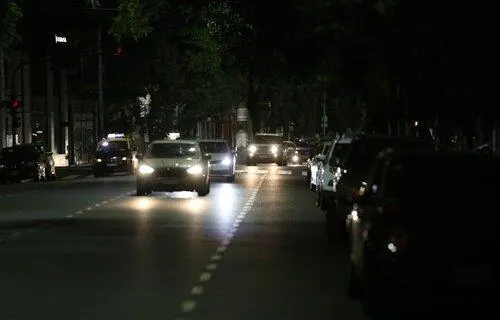
Under these conditions, can incorrect regulation of the height of low lights lead to flaking?
Question and answers
Under these conditions, can incorrect regulation of the height of low lights lead to flaking?
- Yes, because this effect is caused by sudden changes in the intensity of light. ✓ correct
- No, because this effect occurs only by the use of high light.
- No, because this effect occurs on routes with little illumination.
As in the exam (Spanish)
En estas condiciones, ¿una incorrecta regulación de la altura de las luces bajas puede producir encandilamiento?
- Sí, porque este efecto se produce por cambios bruscos en la intensidad de la luz. ✓
- No, porque este efecto se produce sólo por el uso de la luz alta.
- No, porque este efecto se produce en rutas con poca iluminación.
Correct answer: “Yes, because this effect is caused by sudden changes in the intensity of light.” (in the exam: “Sí, porque este efecto se produce por cambios bruscos en la intensidad de la luz.”).
The question is part of the official Buenos Aires City theory test for classes B and A, topic “Lights and signals”. It will be in Spanish, so learn the original wording too.
Practise this topic 40-question mock exam
More questions on “Lights and signals”
- With these weather conditions, what lights should you use to be able to circulate on this route?
- In what case should these lights be used?
- Beads should be used while driving under these weather conditions.
- If the driver of a vehicle travels with the beacons on, he repeatedly touches the horn and the companion pulls out his arm by waving a handkerchief. What are you indicating?
- According to Act No. 2148 for the following circumstances, what action is prohibited?
- On what occasions is the use of the horn allowed?
- When transporting any element, it must be positioned in such a way as not to disturb visibility, dangerously affect the aerodynamic conditions of the vehicle, hide lights or stand out from the permitted limits.
- As for the regulatory use of lights, does this motor vehicle circulate properly?
Questions and answers come from the City of Buenos Aires official “Preguntas de examen” collections (classes A and B, based on the Manual del Conductor). Translation by LifeArg; only the Spanish text counts in the exam.