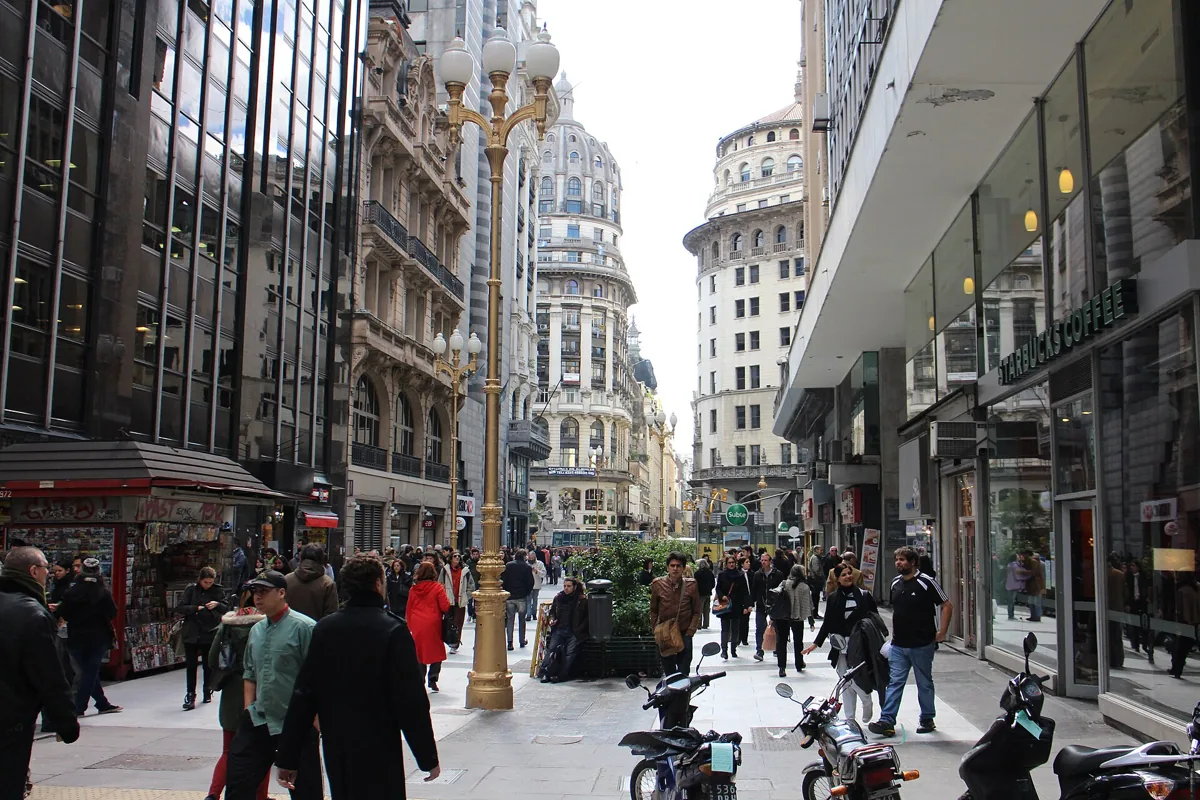
Where and How to Exchange Dollars in Buenos Aires
The first practical question in Buenos Aires is how to get pesos. ATM withdrawals with a foreign card come with poor rates and high fees, so most newcomers bring US dollars in cash and change them locally. Today the blue rate is 1,580 pesos per dollar when you sell dollars (live rate and calculator: dollar rate in Argentina today).
- 1Bring dollars
Crisp new $100 bills with no writing or tears — small or worn bills get a worse rate.
- 2Change a little at the airport
Only for the taxi and the first days: the Ezeiza rate is poor.
- 3Change the rest in the city
At a licensed exchange house or a trusted cueva at the blue rate.
- 4Then use transfers
Western Union, a foreign card or crypto once your cash runs out.
Which bills to bring
- New-design $100 bills (with the blue security strip) get the best rate.
- No writing, stamps, tears or heavy wear — damaged bills may be refused or discounted.
- $50 and smaller bills often get 1–3% less.
- Euros are accepted less often and at a worse rate. If you can choose, bring dollars.
Option 1. Licensed exchange houses (casas de cambio)
Exchange houses downtown (San Nicolás, Microcentro) are legal and ask for your passport. Since most currency controls were lifted in 2025, their rates are close to the blue rate. Pros: safety and a receipt. Cons: queues and limited hours (usually weekdays until 4–5 pm).
Option 2. Cuevas and arbolitos
A cueva is an informal exchange office, often in an apartment or behind a shop. Arbolitos are street changers calling "¡Cambio, cambio!" on Florida street.
- Blue rate, sometimes slightly better than exchange houses
- Longer hours, including weekends
- No passport needed
- Risk of counterfeit pesos and sleight of hand when counting
- No guarantees or receipts
- Street exchange is a classic tourist scam
If you use them, go only by personal recommendation, do it indoors and count the money yourself before leaving the table. Never change money on the street.
Option 3. Western Union
Send money to yourself from abroad and collect pesos in cash at a Western Union branch in Buenos Aires. The rate is close to market, minus the transfer fee. Bring your passport; big branches have queues and can run out of cash late in the day, so go in the morning.
Option 4. Foreign cards
Visa and Mastercard cards from foreign banks are settled at a rate close to MEP, which is near the blue rate, so paying by card in shops and restaurants works well. ATM withdrawals are a bad deal: local banks charge a high fixed fee per withdrawal and the per-transaction limit is low.
Option 5. Crypto (USDT)
Many expats keep savings in USDT and sell it for pesos on P2P platforms or local crypto exchanges at roughly the blue rate. It's convenient but needs experience: use only reputable platforms and never hand cash to strangers.
How much cash to bring
Budget the first 2–3 months: short-term rent, a deposit, food and transport. See the cost of living in Buenos Aires and the housing budget for moving. Keep cash in a safe or split between places, and don't carry large amounts.
Paying for an apartment
Landlords and agencies often accept cash dollars or pesos at an agreed rate. Write the rate into the lease and always get a receipt (recibo). Fresh listings with USD and ARS prices are on our map and in our Telegram channel.
This article is for information only and is not legal advice. Rules in Argentina change often — check official sources before important steps.
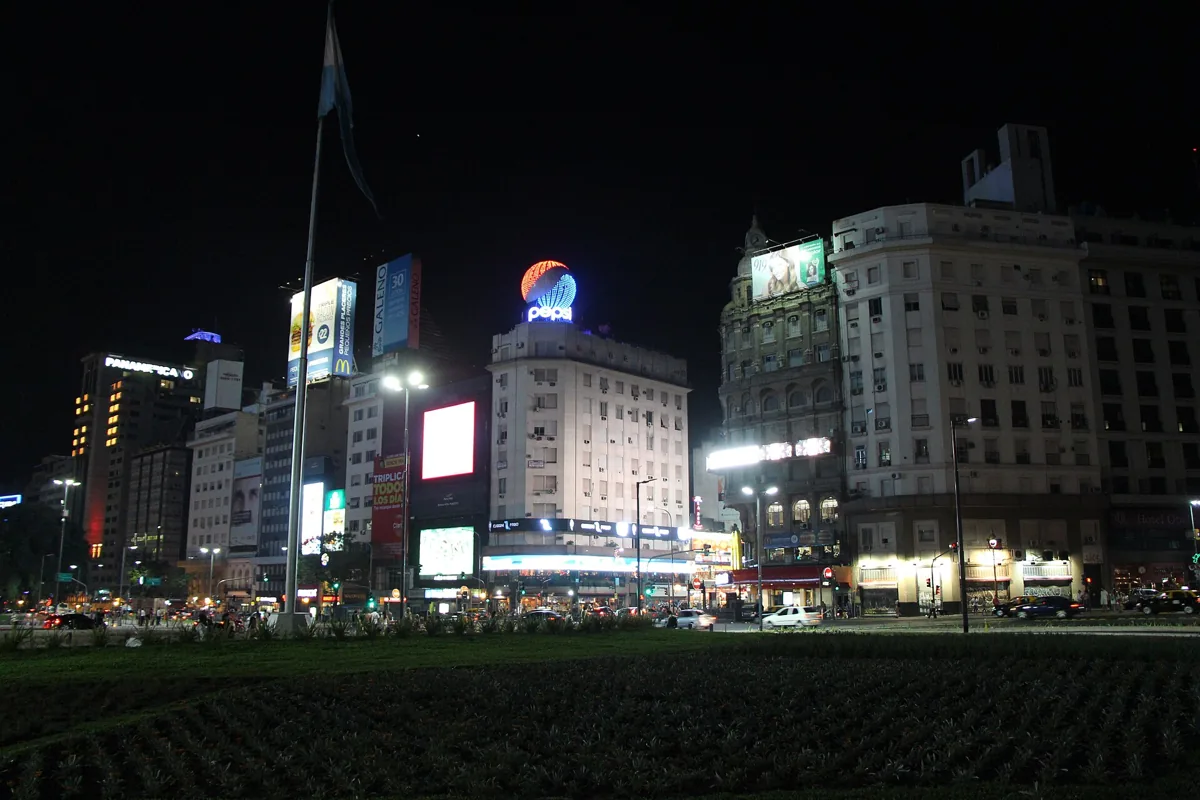 Dollar Rate in Argentina Today: Blue, Official and More
 Opening a Bank Account in Argentina as a Foreigner
 Driving licence in Argentina: getting one in Buenos Aires and driving on a foreign licence
 Healthcare in Argentina for Foreigners: How It Works and What It Costs