Where to Live in Buenos Aires: A Neighborhood Guide for Newcomers
The city of Buenos Aires (officially CABA, Ciudad Autónoma de Buenos Aires) is bounded by the General Paz ring road and the Riachuelo river. Inside are 48 official neighborhoods (barrios); everything beyond the ring road is Buenos Aires Province, with different taxes, rules and transport. This site covers the city only.
Here are the neighborhoods newcomers choose most often. For live numbers, see rent prices by neighborhood.
Detailed guides to all 48 neighborhoods — with a listings map, transport, pros and cons — in Neighborhoods.
The north: expat favorites
Palermo
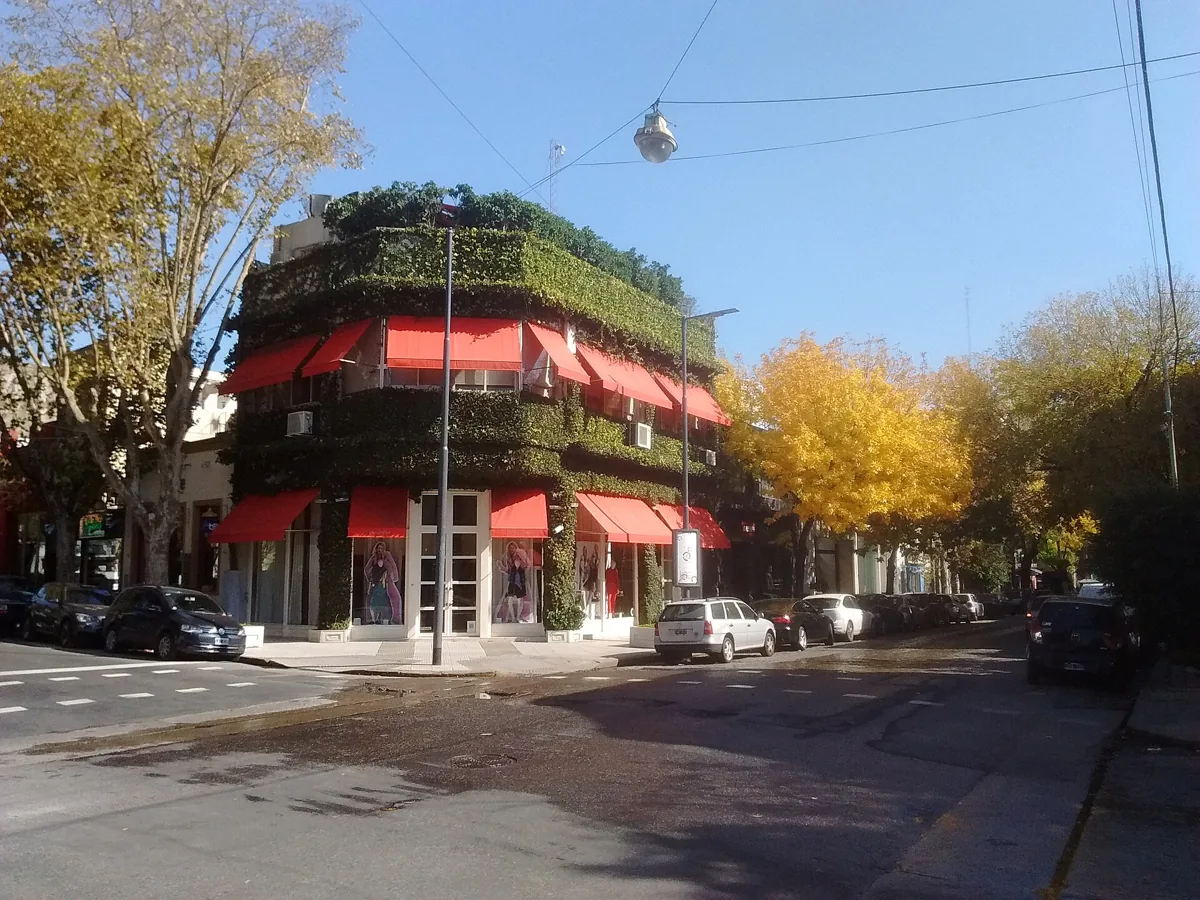
The biggest neighborhood and the expat default: parks and lakes, cafés, coworkings, bars. It has distinct sub-areas — Soho (trendy, lively), Hollywood (restaurants and bars), Botánico and Chico (quieter, pricier), Las Cañitas. Downsides: some of the highest rents in the city and weekend noise in Soho and Hollywood. Apartments in Palermo →
Recoleta and Barrio Norte
Classic "European" Buenos Aires: early-20th-century architecture, museums, the famous cemetery and shopping on Avenida Santa Fe. Plenty of large apartments with high ceilings in older buildings, and Subte line D. Barrio Norte is the informal name for the part of Recoleta around Santa Fe. Recoleta → · Barrio Norte →
Belgrano
A leafy residential area in the north, popular with families: schools, parks, Chinatown, Subte line D and commuter trains downtown. Calmer than Palermo, similar or slightly lower prices. Apartments in Belgrano →
Núñez and Saavedra
The northern edge of the city near the river: new buildings with pools and gyms, parks and quiet streets. Farther from downtown, but calmer. Saavedra is quieter and a bit cheaper. Núñez →
Colegiales and Chacarita
Low-rise, quiet areas between Palermo and Belgrano. Colegiales is green and family-friendly; Chacarita is fast becoming trendy, with new cafés and Subte line B. Usually cheaper than Palermo with the same access. Colegiales → · Chacarita →
The middle belt: value and convenience
Villa Crespo
Palermo's neighbor with friendlier prices: outlet stores, specialty coffee and Subte line B. Apartments in Villa Crespo →
Almagro and Caballito
Residential areas in the geographic center with excellent transport (Subte lines A, B and E), Parque Centenario, lots of shops and moderate rents. Popular with students and young families. Almagro → · Caballito →
Villa Urquiza
A growing northwest neighborhood with many new buildings and the end of Subte line B — quieter and cheaper than the north. Villa Urquiza →
The historic center
San Telmo and Monserrat
Cobblestones, tango, the Sunday market, old buildings and PH units. Full of character, but lively and some streets feel empty at night.
San Nicolás (Microcentro) and Retiro
The business district: plenty of affordable apartments and everything nearby, but it empties out in the evenings and on weekends. Retiro around Plaza San Martín is elegant and expensive; near the train terminals it's a different story.
Puerto Madero
The newest and most expensive area: waterfront towers with security and pools, prices often in dollars. Safe and convenient, a little sterile, and far from the Subte.
Less popular with newcomers
The southern neighborhoods — La Boca, Barracas, Constitución, Nueva Pompeya, Villa Lugano, Villa Soldati — are much cheaper but see far less demand from newcomers: transport and services are thinner, and some blocks have a poor safety reputation. If you consider them, visit both by day and at night and ask locals about the specific block — things can change from one street to the next.
Quick picks
- Remote worker who loves cafés: Palermo, Villa Crespo, Colegiales, Chacarita.
- Family with kids: Belgrano, Núñez, Colegiales, Caballito, Villa Urquiza.
- Central and well connected: Recoleta, Barrio Norte, Almagro, Balvanera (Abasto).
- Tight budget: Almagro, Caballito, Balvanera, Flores, Villa Urquiza.
Before committing to a long lease, spend a month in a short-term rental in your favorite area. Here's how to rent in Buenos Aires.
This article is for information only and is not legal advice. Rules in Argentina change often — check official sources before important steps.
 How to Choose a Safe Apartment in Buenos Aires
 Getting Around Buenos Aires: Choosing a Well-Connected Apartment
 Dollar Rate in Argentina Today: Blue, Official and More
 Driving licence in Argentina: getting one in Buenos Aires and driving on a foreign licence