Buying an Apartment in Buenos Aires as a Foreigner
Many people weighing a move to Argentina ask whether buying beats renting. Here's how a purchase works for a foreigner. It's an overview, not instructions for a specific deal — always close a property purchase with an independent notary and, if needed, a lawyer.
Can foreigners buy?
Yes. You don't need residence or a visa to buy an apartment in Buenos Aires. Restrictions exist for rural land and border zones, not for city apartments.
You do need an Argentine tax ID. Foreigners without a CUIT/CUIL used to get a CDI; specialist sources report that from 2026 the identifiers were unified under the CUIT. Check the current route with your notary and allow time — foreign purchases are often planned with at least 45 days between reservation and closing.
How the deal works
- Choose and negotiate. Prices are usually quoted in US dollars; negotiating is normal.
- Reserva. A small amount paid to the agency to take the property off the market, with written terms for a refund if the seller backs out.
- Boleto de compraventa (optional) — a preliminary contract with a down payment if more time is needed.
- Checks. The notary (escribano) verifies title, liens, restrictions and any unpaid building fees or taxes.
- Escritura. Signing before the notary, normally chosen by the buyer. Money and keys change hands; the notary then registers the title.
How payment is made
Argentine deals have traditionally been paid in physical US dollars at the notary's office or a bank. Transfers are possible now, but cash is still common. Bring funds from abroad in a way you can document — it matters to the notary and when you sell later.
Buyer costs in Buenos Aires city
Estimates from specialist sources for 2026:
| Item | Ballpark |
|---|---|
| Agency commission | about 3–4% + VAT |
| Notary (escribano) | about 2% + VAT, plus registration costs |
| Stamp tax (sellos) | rate depends on the amount; exemptions possible for a sole home; often split with the seller |
All in, buyers usually budget roughly 5–10% on top of the price. Ask the notary for an exact quote before reserving.
Buy or rent?
- Renting is easier at first: no capital tied up, you can switch neighborhoods, and you're not exposed to the property market.
- Buying makes sense if you're sure about the city and area, plan to stay long and accept transaction and running costs (expensas, ABL tax, repairs).
Most newcomers rent for a year or two and then decide. Start with how to rent and preparing your housing in advance.
Follow the market on our Telegram channel — rentals for now, sales listings later.
This article is for information only and is not legal advice. Rules in Argentina change often — check official sources before important steps.
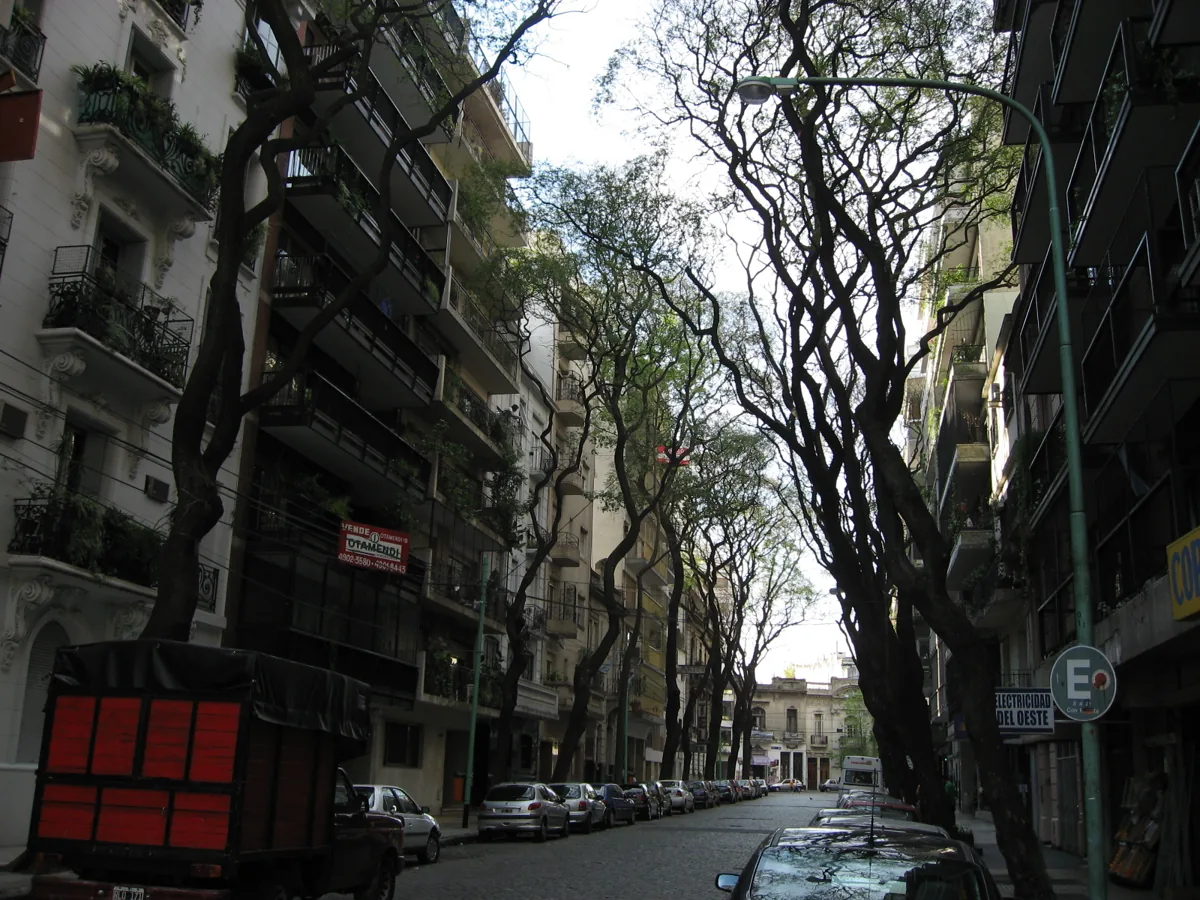 How to Rent an Apartment in Buenos Aires as a Foreigner
 Renting Without a Guarantor: Seguro de Caución and Other Options
 Apartment Viewing Checklist: 25 Things to Check in Buenos Aires
 How to Negotiate Your Rent in Buenos Aires