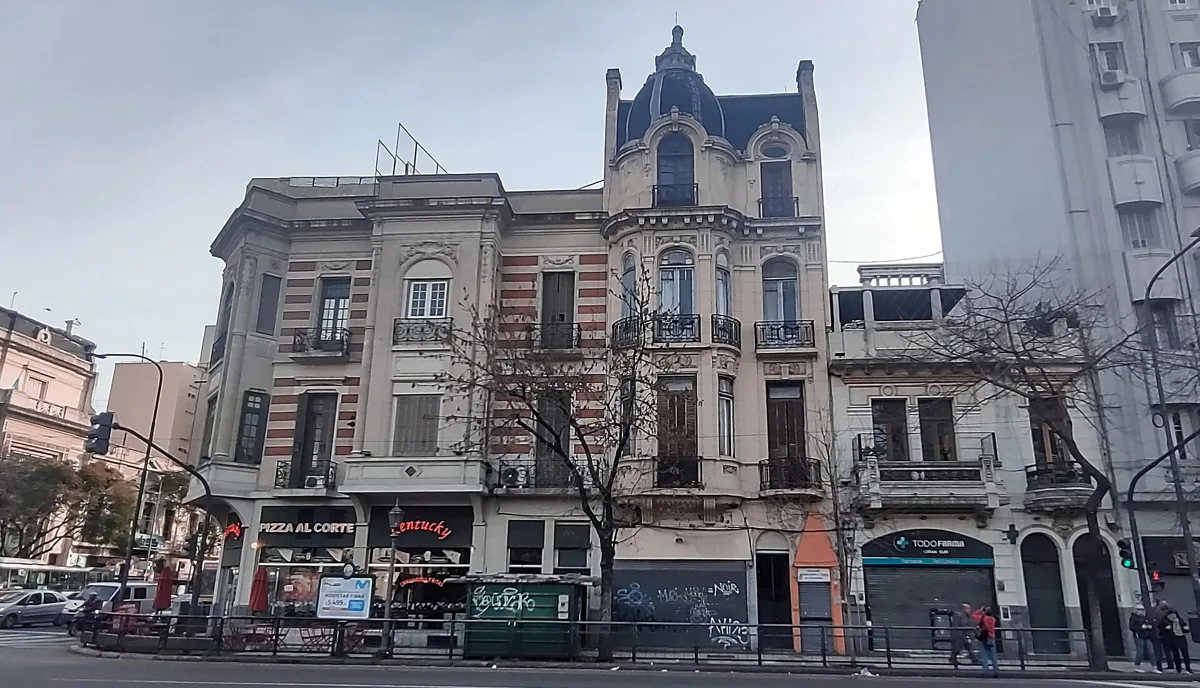
Short-Term vs Long-Term Rentals in Buenos Aires
Almost everyone moving to Buenos Aires faces the same question: book a furnished short-term place, or go straight for a one-year lease? The answer depends on your paperwork, budget and how sure you are about the neighborhood.
At a glance
| Short-term (temporario) | Long-term (tradicional) | |
|---|---|---|
| Length | one month to several months | usually 1–3 years |
| Furniture | almost always | often empty or partial |
| Guarantee | usually not required | required (caución or property owner) |
| Documents | passport, deposit | CUIL, proof of income, often precaria/DNI |
| Currency | often USD | usually pesos, inflation-adjusted |
| Monthly price | higher | lower |
| Utilities and internet | often included | you pay them |
| Time to move in | 1–3 days | 1–4 weeks |
Choose short-term if
- you've just arrived and don't know the city yet;
- you don't have a CUIL, precaria or DNI;
- you have no income an insurer will accept;
- you're not sure you'll stay long;
- you need a fully furnished place tomorrow.
The trade-off is price: short-term rentals cost noticeably more than a long-term lease for a similar apartment (see current rent prices), partly offset by bills and internet being included.
Switch to long-term when
- you've picked a neighborhood;
- you have a CUIL and at least a precaria;
- you can document income (local or foreign, depending on the insurer);
- you plan to stay a year or more.
Long-term is cheaper month to month but has an entry cost: deposit, caución policy, sometimes first month in advance. See the real cost of renting.
Watch out for (short-term)
- What's included: electricity, gas, water, internet, expensas, cleaning — get it in writing.
- Deposit: amount, currency and when it comes back.
- Minimum stay and penalties for leaving early.
- Off-platform payment — if you found it on a booking site, pay through the site. "Let's skip Airbnb and save the fee" is the classic scam opener; read our scams guide.
Watch out for (long-term)
- Adjustments: which index (usually inflation — IPC, or ICL) and how often.
- Currency: if it's in dollars, cash or transfer?
- Early termination: under the Civil Code, a tenant can terminate early by paying 10% of the remaining rent, unless the contract says otherwise.
- Agency fee: in Buenos Aires city, landlords — not tenants — pay the agency commission on residential leases.
Full checklist: Lease contracts in Argentina.
A strategy that works
- Months 1–2: short-term apartment in a neighborhood you like (short-term listings).
- Meanwhile: CUIL, precaria, local SIM, a way to pay in pesos.
- Get pre-approved for a seguro de caución and start viewing.
- Move into your long-term place (no-guarantor listings).
This article is for information only and is not legal advice. Rules in Argentina change often — check official sources before important steps.
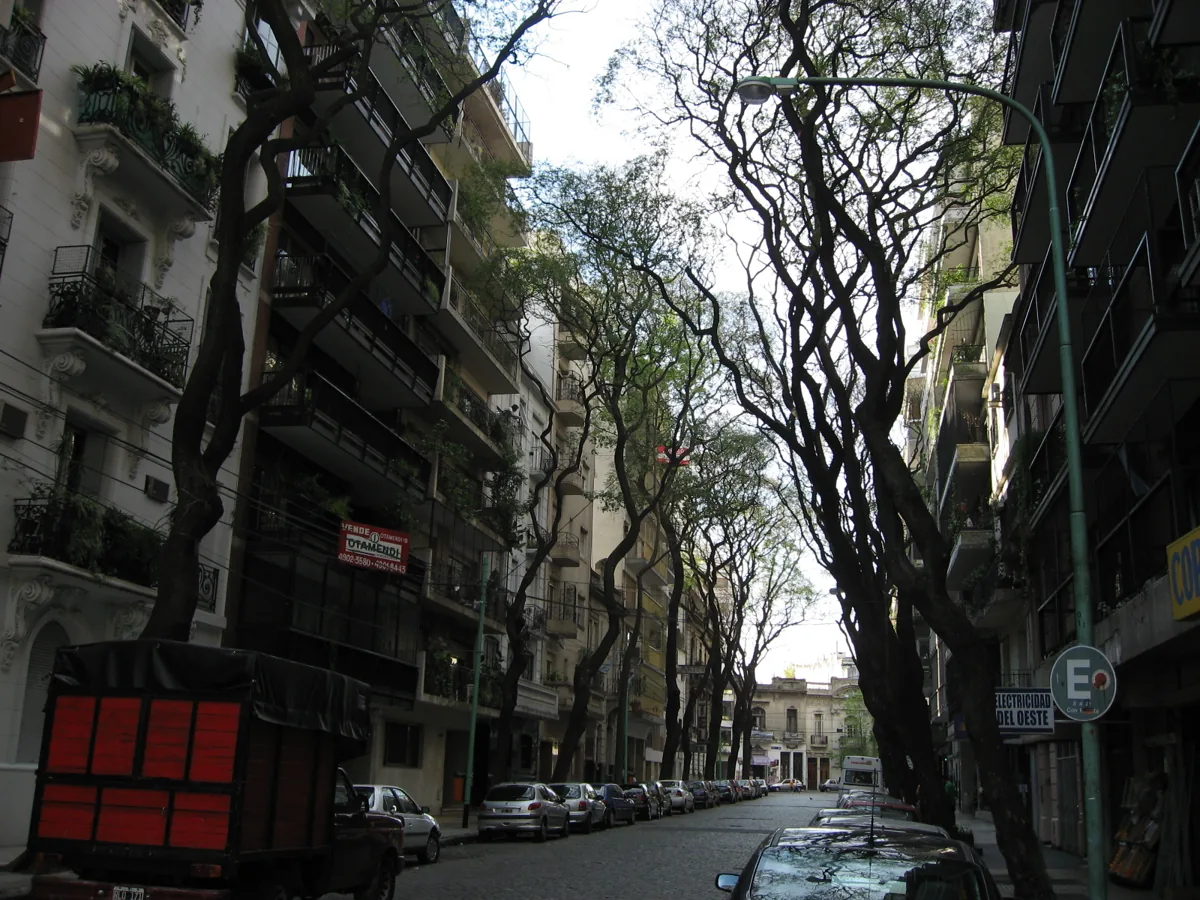 How to Rent an Apartment in Buenos Aires as a Foreigner
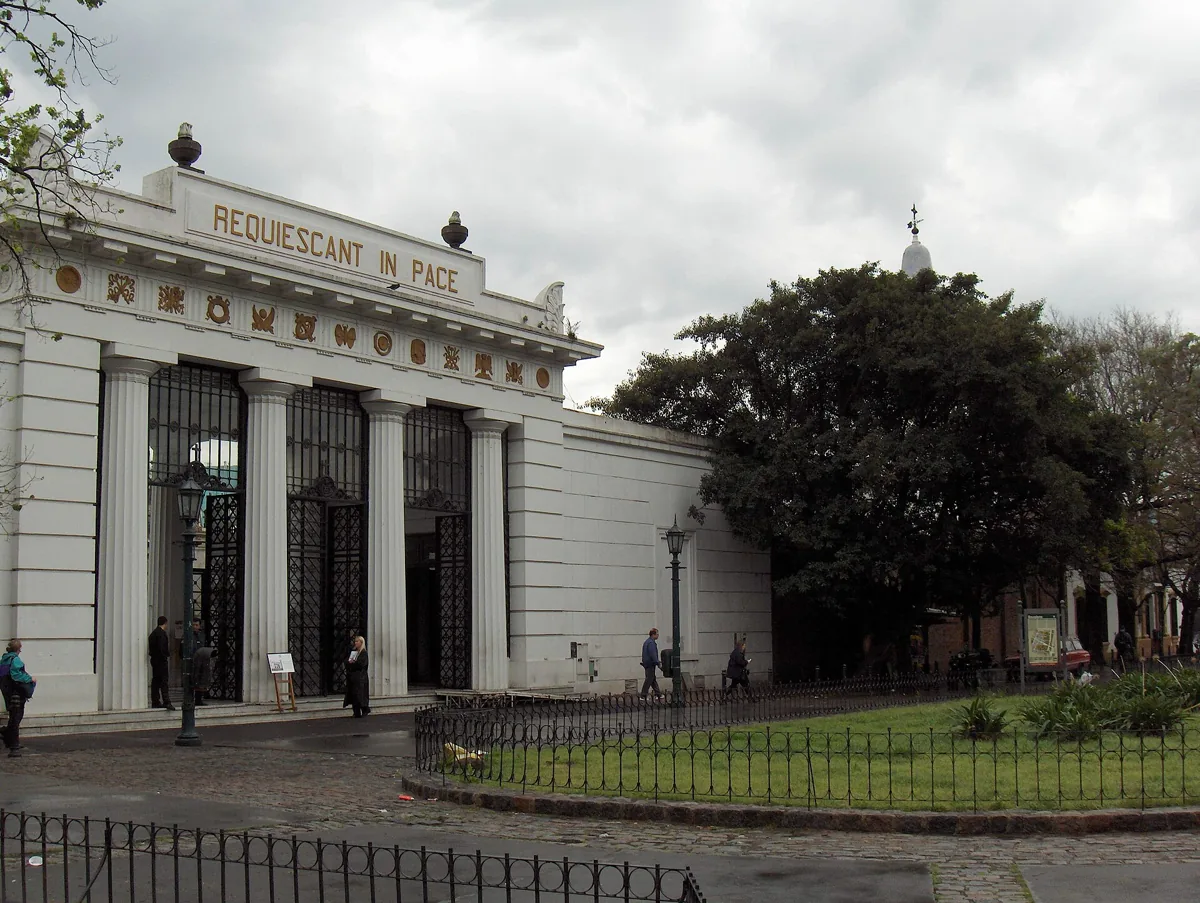 Renting Without a Guarantor: Seguro de Caución and Other Options
 Apartment Viewing Checklist: 25 Things to Check in Buenos Aires
 How to Negotiate Your Rent in Buenos Aires